An outdoor kitchen bbq grill setup is one of those projects that sounds straightforward until you’re standing in your backyard with a contractor’s quote and no clear sense of what you actually need. There are real decisions here — permanent versus modular, gas versus charcoal, countertop overhangs, utilities rough-in, and weatherproofing — and they compound on each other fast. This guide cuts through the noise and gives you the information that helps you build something you’ll actually use for decades.
What “Outdoor Kitchen” Actually Means (And What It Doesn’t)
People use the term loosely. An outdoor kitchen can mean anything from a prefab modular cart with a side burner to a fully framed masonry structure with a built-in grill, refrigerator, sink, pergola, and outdoor lighting circuit. The distinction matters because the planning process is completely different.
A simple modular setup uses powder-coated steel or aluminum frames with interlocking panels. You buy the components, assemble them yourself or hire someone for a day, and you’re done. No permits typically required, no concrete footings, no rough-in plumbing.
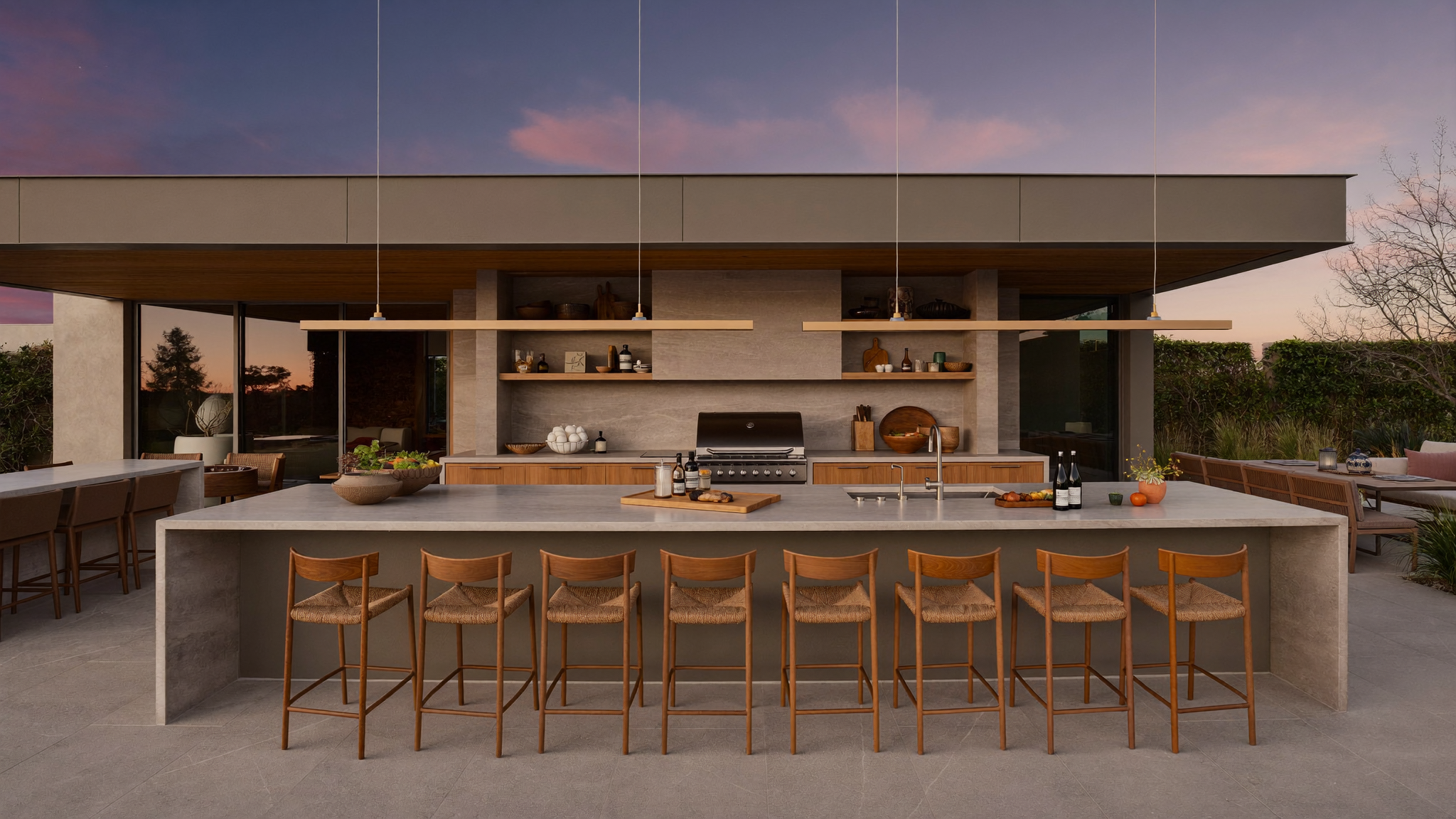
A full built-in outdoor kitchen is essentially a construction project. You’re pouring footings or a slab, framing with steel studs (wood framing outdoors creates moisture and pest problems), applying a cement board substrate, adding a stone or tile veneer, and integrating utilities. This requires permits in most municipalities and a licensed contractor for electrical and gas work.
Knowing which category you’re in shapes every other decision.
Choosing the Right Grill Type for a Built-In Setup
This is the central decision, and it’s not just about fuel preference.
Drop-In Built-In Gas Grills
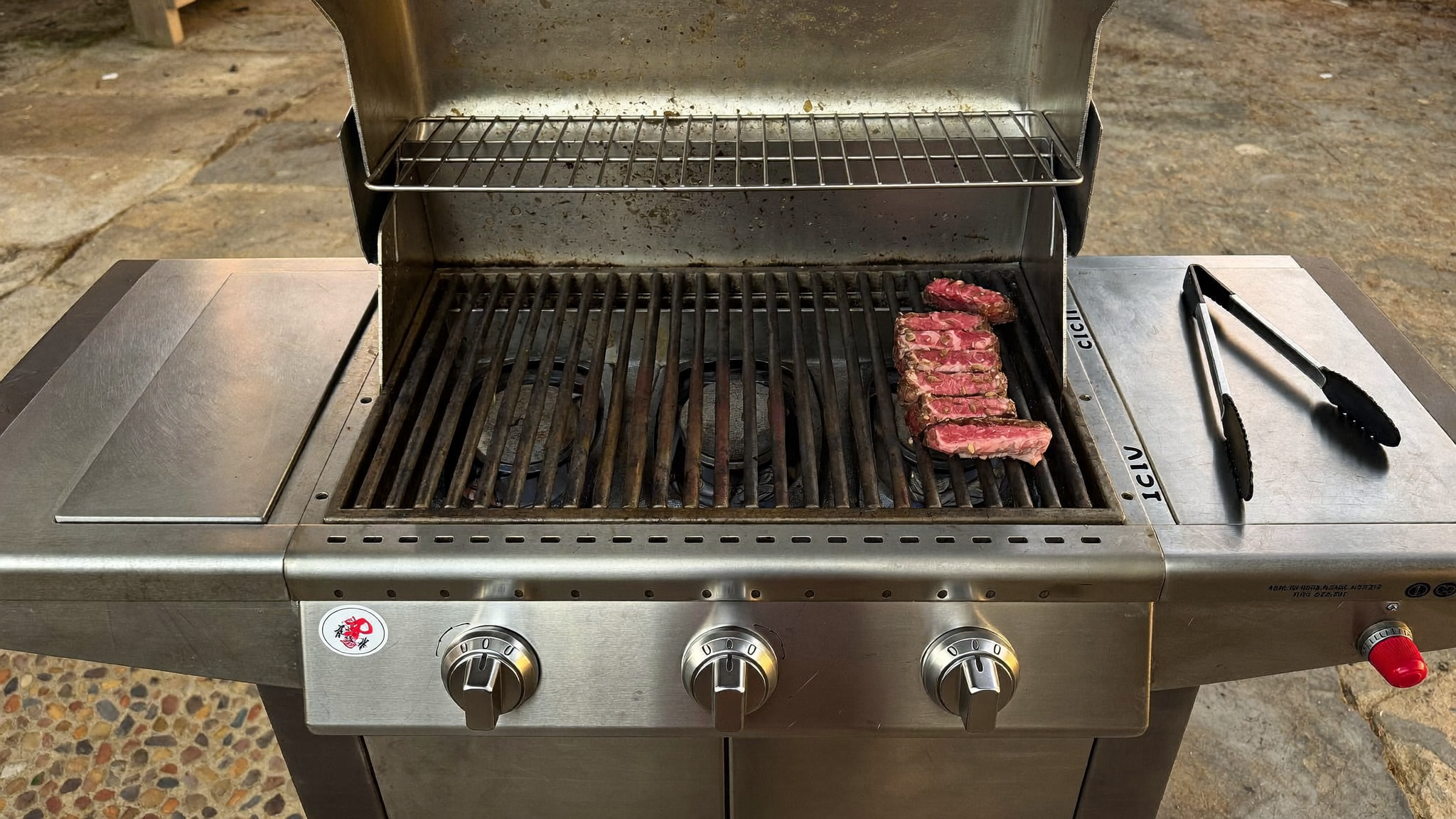
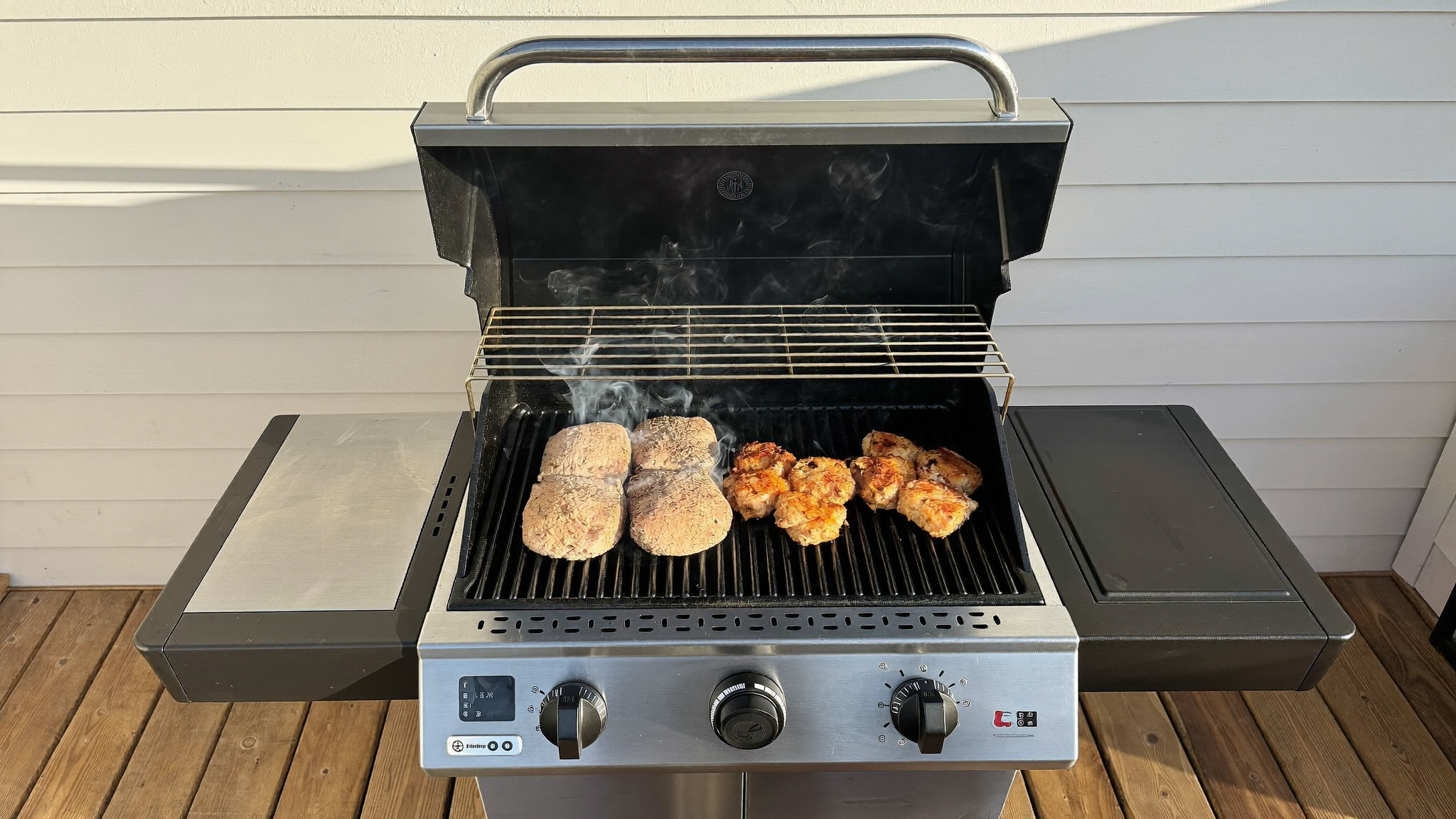
A built-in gas grill is the most common anchor for an outdoor kitchen bbq grill configuration. These units are designed to drop into a cutout in your countertop and connect to a natural gas line or a hidden propane tank compartment. They have a finished front face and open backs — no cabinet, no legs, just the cooking unit itself.
Key specs to pay attention to:
– BTU output vs. cooking area ratio. Raw BTU numbers are often marketing fluff. What matters is whether the burners can maintain high, consistent heat across the full grate surface. Cast iron grates retain heat better than stainless under a heavy sear load.
– Primary vs. secondary burner zones. A two-zone configuration — one side high, one side lower — is genuinely useful for indirect cooking on a built-in grill where you can’t easily move the food to a different device.
– Lid clearance and pergola height. A fully open grill lid on a deep-set unit can reach 24–30 inches above the grate. If you have a low pergola or overhead structure, test this before the unit is dropped in.
Kamado Grills in Outdoor Kitchens
A ceramic kamado-style grill works beautifully in an outdoor kitchen — with caveats. These are heavy. Some units top 400 pounds. Your countertop support structure needs to be engineered for that, not just assumed. You also need a proper “nest” or built-in cradle rather than trying to drop it into a standard cutout, because the curved exterior doesn’t work with standard drop-in templates.
The payoff is real versatility: low-and-slow smoking at 225°F, high-heat pizza, searing, roasting. One well-placed kamado can do what three separate appliances do.
Charcoal Drop-In Grills
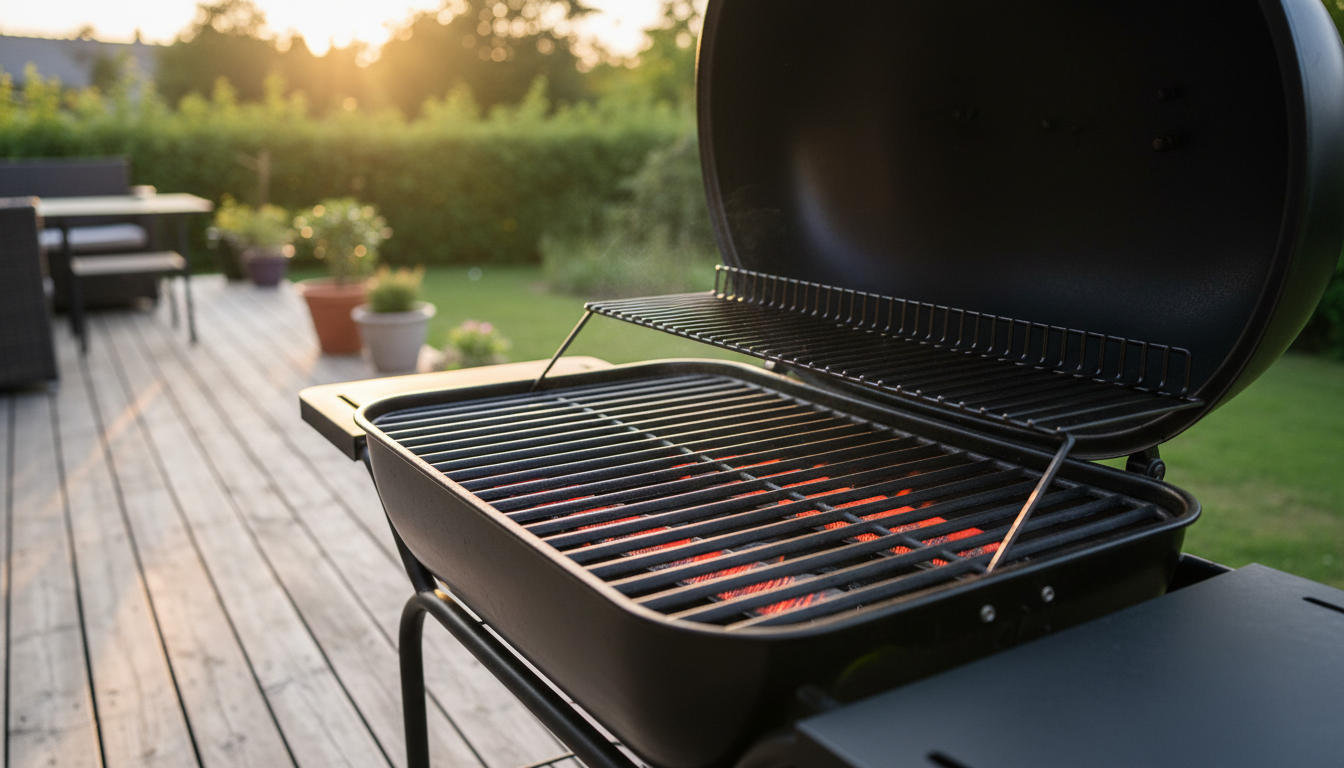
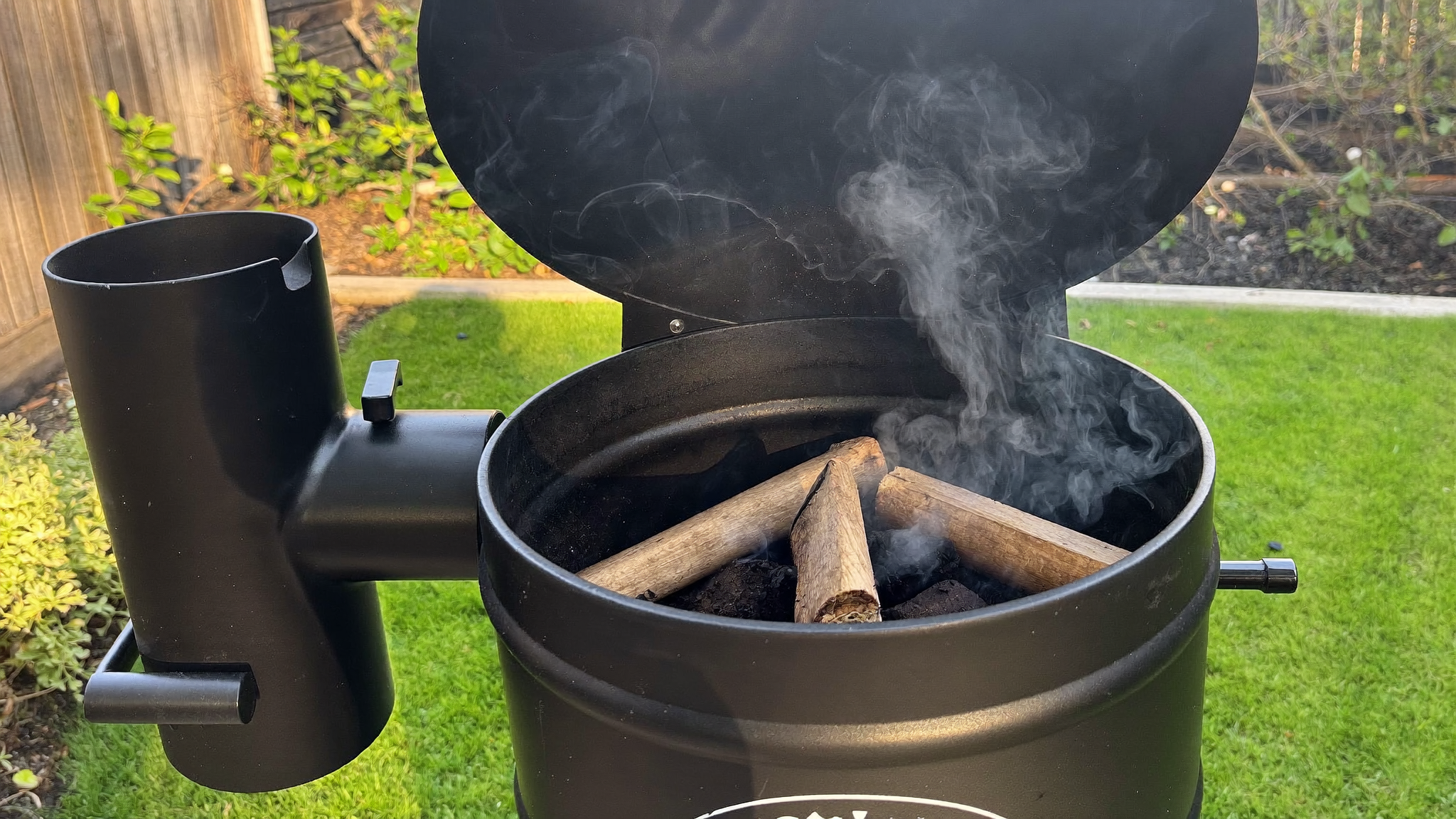
Yes, these exist, and they’re underrated. A drop-in charcoal grill in an outdoor kitchen bbq grill island gives you live-fire flavor without the full kamado footprint. The tradeoff is ash management — you need easy access underneath for cleaning, so the compartment design matters. Look for a setup where the ash drawer is accessible from the front without crawling.
Flat-Top Griddles
A drop-in flat-top griddle isn’t a grill, but it belongs in this conversation. Added alongside a gas grill, it expands what your outdoor kitchen can do — smash burgers, breakfast, stir fry, seafood. Seasoned carbon steel griddle surfaces outperform stainless in terms of non-stick properties over time, though they require more care.
Layout and Countertop Planning
The most common mistake is undersizing the counter on either side of the grill. You need working space — real working space, not decorative ledge. A minimum of 12 inches on each side of the grill is functional. 18–24 inches is better. If you’re adding a side burner, account for that separately.
Counter height matters more outdoors than indoors. Standard 36-inch kitchen height works for most people standing, but if you’re cooking in the sun and leaning over a hot grill, you’ll appreciate a slightly lower surface — some builders go to 34 inches — that keeps your arms in a comfortable position rather than hunching.
Countertop Materials That Hold Up
- Porcelain tile is highly weather-resistant, affordable, and easy to replace individual tiles if one cracks. Grout lines collect grease, which is the main downside.
- Concrete looks excellent and handles heat well, but requires sealing and re-sealing over time. Unsealed concrete stains permanently from grease.
- Granite is extremely durable outdoors, doesn’t need sealing as frequently as concrete, and handles heat without issues. It’s heavier than tile, so your frame needs to account for that.
- Avoid engineered quartz outdoors. The resin binders in most quartz products degrade with UV exposure and thermal cycling. This is a well-documented failure mode, not an edge case.
Utilities: Gas, Electric, and Water
Natural Gas vs. Propane
Natural gas eliminates tank management and is the right call if your home already has a gas line and the outdoor kitchen is relatively close to the house. The rough-in cost is real but one-time. Propane with a concealed tank is the better option for detached setups far from the main structure, or where running a gas line would require extensive trenching.
Either way: this work requires a licensed plumber or gas fitter and a permit. Don’t skip this. Gas connections in outdoor structures have specific code requirements around ventilation, shutoff valve placement, and connector materials.
Electrical
You need at least one outdoor-rated GFCI circuit for refrigerators, lighting, and outlets. A single 20-amp circuit is minimum; two separate circuits is better if you’re adding a refrigerator and other appliances. All outdoor wiring must be in weatherproof conduit with appropriate box covers. This is another permit-required job.
Water and Drainage
An outdoor sink is convenient but adds complexity. You need a supply line (frost-free shutoff if you’re in a freeze climate) and a drain. The drain can go to a dry well or connect to your main sewer line depending on local code — check before you build.
Structure: Frame Materials and Longevity
Steel stud framing with cement board sheathing is the industry standard for good reason. It doesn’t rot, it doesn’t attract termites, and it handles moisture cycles without warping. The exterior cladding — stucco, stone veneer, porcelain tile — is largely aesthetic, but the substrate beneath it is what determines whether your outdoor kitchen bbq grill island is standing in 20 years or showing cracks in five.
Modular aluminum frame systems are a legitimate alternative. They’re not as rigid as masonry but they’re weatherproof, lightweight, and significantly cheaper. For most homeowners who aren’t building a permanent statement structure, a quality aluminum modular system is the practical answer.
Avoid wood framing, period. Even treated lumber in an enclosed outdoor kitchen cabinet creates moisture traps and eventual rot, especially around the grill opening where condensation and grease accumulate.
What This Actually Costs
Real numbers. Regional labor rates shift these, but the tiers hold across most of the US:
- Budget modular island with a drop-in gas grill: roughly $2,000–$6,000 all-in. A quality aluminum modular frame system runs $1,500–$4,000, and functional drop-in gas grills start around $500–$1,500. Commercial-grade built-in units with heavy cast components run $3,000–$8,000 and up on their own — grill quality is the single biggest variable in appliance cost.
- Mid-range built-in project: roughly $10,000–$20,000. Masonry vs. modular is a 2–3x difference in total project cost for similar footprints, and this tier is where most contractor-built outdoor kitchens with a quality grill, counters, and one or two utilities land.
- Full masonry with complete utilities: $25,000–$50,000+. Framed structure, stone veneer, built-in refrigeration, sink, lighting circuits — a genuine construction project priced like one.
- Utility runs cost more than people expect. A natural gas line typically runs $500–$2,000 (trenching across a yard adds $15–$25 per foot), a dedicated outdoor GFCI circuit $300–$1,500, and a sink’s supply-and-drain plumbing $500–$2,500.
- Permits and inspections vary wildly by municipality — budget $100–$500 total for a typical built-in with gas and electrical.
Get three quotes. Make sure each contractor is quoting the same scope — utility rough-in inclusion or exclusion changes the number dramatically.
One Thing Worth Getting Right From the Start
Orientation. Think about prevailing wind direction in your yard before you set the layout. A grill positioned so smoke blows toward your seating area will be annoying every single time you cook. It takes five minutes with a compass app and some attention to which direction your yard typically gets breeze — do it before the slab is poured, not after.