Disclosure: This site earns commissions from qualifying purchases made through links on this page.
Pellet Grill Buying Guide: Everything You Need to Know
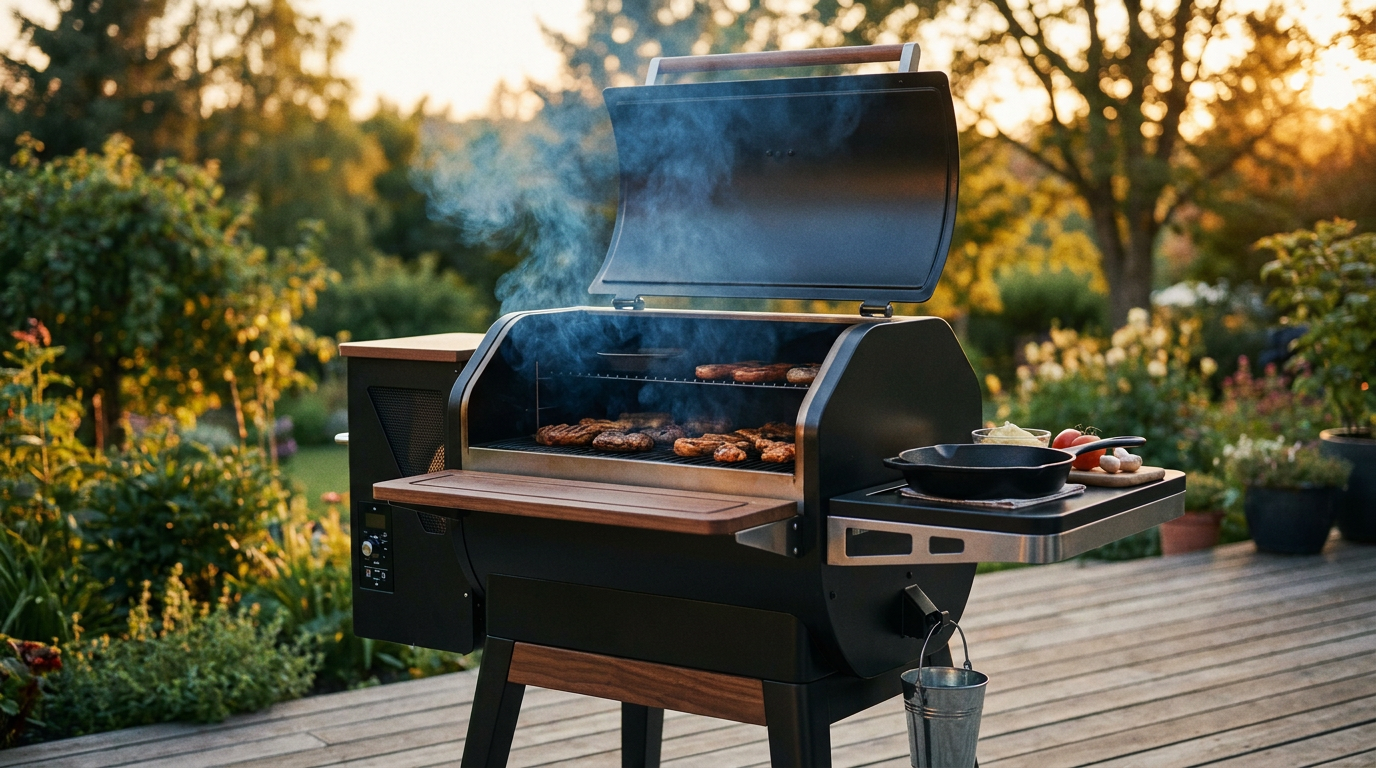
If you’ve been scrolling through backyard cooking forums or watching competition BBQ videos, chances are you’ve seen a pellet grill front and center. These versatile outdoor cookers have exploded in popularity over the last decade, and for good reason — they combine the low-and-slow capability of a traditional smoker with the convenience of a set-it-and-forget-it appliance. But with dozens of brands and models on the market, knowing what to actually look for before you spend your money can be the difference between a purchase you love and one that collects dust in the garage.
This guide breaks down exactly how pellet grills work, what features matter, who they’re best for, and what trade-offs you should know before buying.
How a Pellet Grill Works
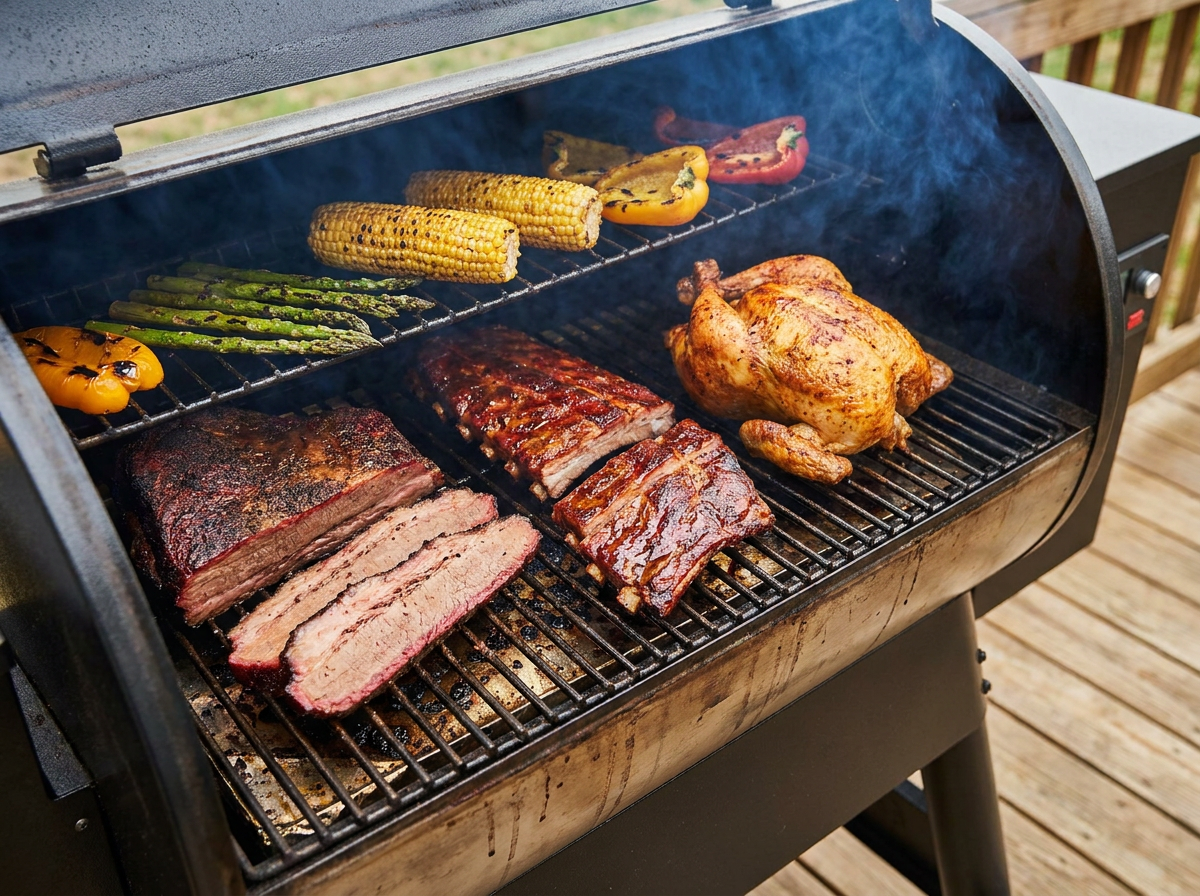
A pellet grill runs on compressed hardwood pellets — typically made from hickory, cherry, apple, mesquite, or a blend — stored in a hopper on the side of the unit. An electric auger automatically feeds pellets from the hopper into a fire pot at the bottom of the cooking chamber. An igniter rod lights the pellets, and a fan circulates the heat and smoke throughout the cooking space.
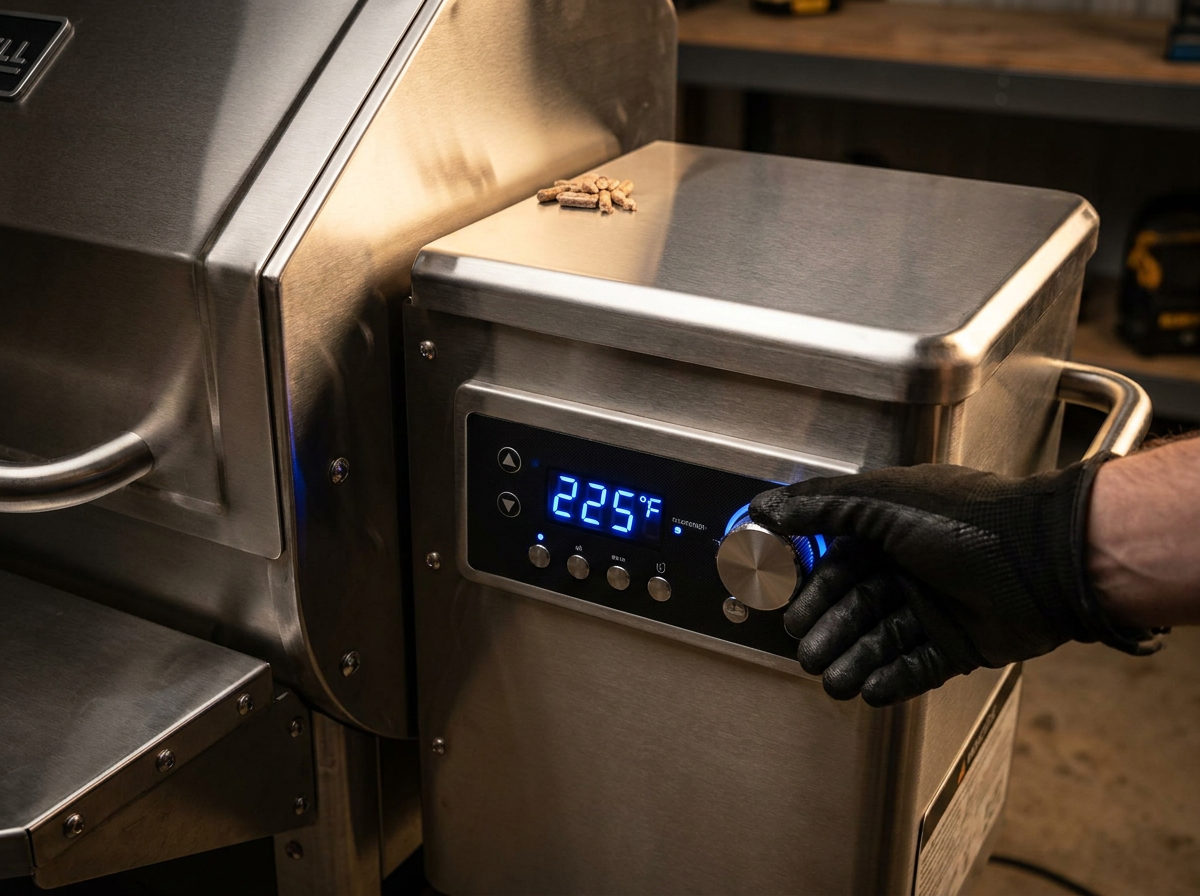
The entire process is regulated by a digital controller, which works like a thermostat. You set your target temperature, and the controller adjusts the auger speed and fan to maintain it. Most modern units hold temperature within 10–25°F of your target, though higher-end models can be even tighter.
Because everything is automated, you spend far less time babysitting the fire compared to an offset smoker or charcoal setup. That said, pellet grills do require electricity to operate, so they’re not ideal for off-grid situations.
What You Can Cook on a Pellet Grill
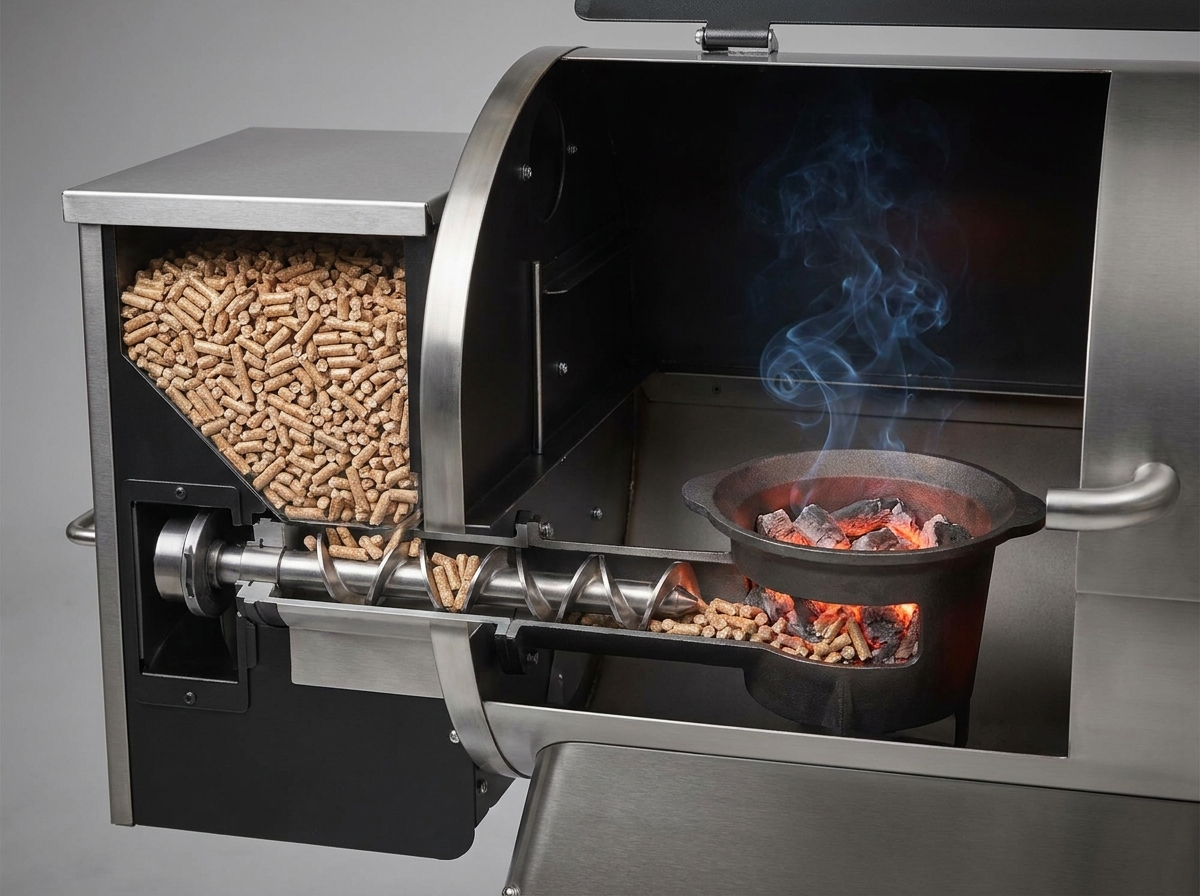
One of the biggest selling points is versatility. A quality pellet grill can function as:
- A smoker for brisket, ribs, pulled pork, and whole chickens
- A roaster for prime rib, turkey, and vegetables
- A baker for breads, cobblers, and even pizza
- A grill for burgers, steaks, and chops — though with some limitations (more on that below)
Low-and-slow cooks between 180°F and 250°F are where pellet grills truly shine. Smoke flavor output is generally milder and cleaner than traditional stick burners, which many backyard cooks actually prefer. If you want heavier smoke penetration, cooking at lower temperatures for a longer period helps.
The High-Heat Limitation
This is the most important trade-off to understand before buying. Most pellet grills max out around 500°F–600°F. Traditional charcoal or gas grills can reach 700°F+ at the grate level, which is what creates the hard sear and char marks on a steak.
Some manufacturers address this with direct-flame access modes, sear boxes, or special grate designs that allow pellets to flame up more directly. If searing is a priority for you, look specifically for models that advertise direct-flame or high-heat searing capability — and test that claim carefully in your research.
Key Features to Evaluate
1. Temperature Range and Consistency
Look for a unit with a wide temperature range — ideally from around 160°F up to at least 500°F. Consistency matters more than the advertised range, so check third-party reviews that document actual temperature variance across the cooking surface. Hot spots near the edges or near the fire pot are common in cheaper units.
2. Cooking Area
Cooking area is measured in square inches and usually includes both the main grate and an upper rack. Think about how much food you typically cook at once:
- Under 500 sq in: good for 1–3 people or occasional use
- 500–800 sq in: solid for families and regular entertaining
- 800+ sq in: ideal for large gatherings, competition cooks, or serious enthusiasts
Keep in mind that upper warming racks often run at different temperatures than the main grate, so they’re better for finishing than for primary cooking.
3. Hopper Capacity
A larger hopper means longer unattended cooks. For overnight briskets or pork shoulders that can run 12–16 hours, a hopper that holds 20+ pounds of pellets is genuinely useful. Smaller hoppers may need a mid-cook refill.
4. Build Quality and Materials
Thicker steel holds temperature better and resists warping over time. Look for heavy-gauge steel construction, quality welds, and sturdy hinges. Stainless steel internals are easier to clean and more corrosion-resistant. Painted exteriors can chip and rust — powder-coated finishes tend to hold up better.
5. WiFi and Smart Controls
Many mid-range and premium pellet grills now include WiFi connectivity, allowing you to monitor and adjust temperature from your phone. This is genuinely useful for long smokes — you can sleep through a brisket cook without walking outside to check. If you cook overnight or want remote monitoring, this feature is worth prioritizing.
6. Ash and Grease Management
Cleanup is part of the ownership experience. Look for units with a dedicated ash cleanout system (a drawer or trap door rather than having to scoop ashes manually) and a grease management system that channels drippings away from the fire pot into a catch bucket. Models that are easier to clean simply get used more often.
7. Pellet Purge or Changeover System
If you like to swap pellet flavors between cooks, a purge system that empties the auger and fire pot quickly is a nice-to-have feature. Without it, you’ll burn through half a hopper of old pellets before the new wood flavor kicks in.
Pellet Quality Matters Too
Your results are only as good as your fuel. Use food-grade, 100% hardwood pellets without fillers or binders. Lower-quality pellets can produce excess ash, inconsistent burns, and off-flavors. Premium pellets burn cleaner and give you better temperature control. It’s worth spending a little more on pellets — don’t buy the cheapest option you find.
Store pellets in a dry, sealed container. Moisture is the enemy: wet pellets swell, jam the auger, and burn poorly.
Who Should Buy a Pellet Grill?
A pellet grill is an excellent match if you:
- Want genuine wood-smoked flavor without mastering fire management
- Cook for families or groups regularly
- Value convenience and automation over hands-on involvement
- Want one versatile outdoor cooker that handles smoking, roasting, and baking
- Are upgrading from a gas grill and want to add real smoke flavor to your repertoire
It may not be the right fit if you:
- Primarily want to sear steaks over high, direct heat (consider pairing with a charcoal grill or flat-top)
- Cook in locations without access to electricity
- Prefer the hands-on craft of managing a traditional offset or charcoal smoker
- Are on a tight budget (entry-level pellet grills exist, but quality drops significantly at the lowest price points)
Budget Tiers: What to Expect
Without naming specific prices (which change frequently), the pellet grill market generally breaks into three tiers:
Entry Level: Basic digital controllers, thinner steel, smaller hoppers, limited temperature ranges. Fine for casual use and learning the format, but expect less consistency and durability.
Mid Range: Better build quality, wider temperature ranges, more accurate controllers, larger hoppers. This is where most buyers find the best value. WiFi connectivity often starts appearing here.
Premium: Heavy-gauge steel, excellent temperature consistency, large cooking areas, advanced controllers with app integration, better warranties. Worth it for frequent cooks and enthusiasts who will use the grill multiple times a week.
Final Buying Checklist
Before you click buy, run through these questions:
- [ ] Does the cooking area fit my typical batch size?
- [ ] Does it reach high enough temps for the way I cook?
- [ ] How is the ash and grease cleanup system rated?
- [ ] Is the hopper large enough for my longest planned cooks?
- [ ] Do I want WiFi monitoring, and does this model include it?
- [ ] What does the warranty cover, and for how long?
- [ ] Is replacement parts and customer support easily accessible for this brand?
A pellet grill is one of the most approachable ways to get into serious backyard BBQ without a steep learning curve. Do your research on the specific model you’re considering — look for real-world long-term reviews, not just first impressions — and you’ll end up with an outdoor cooker that genuinely changes how you cook all year long.
Leave a Reply