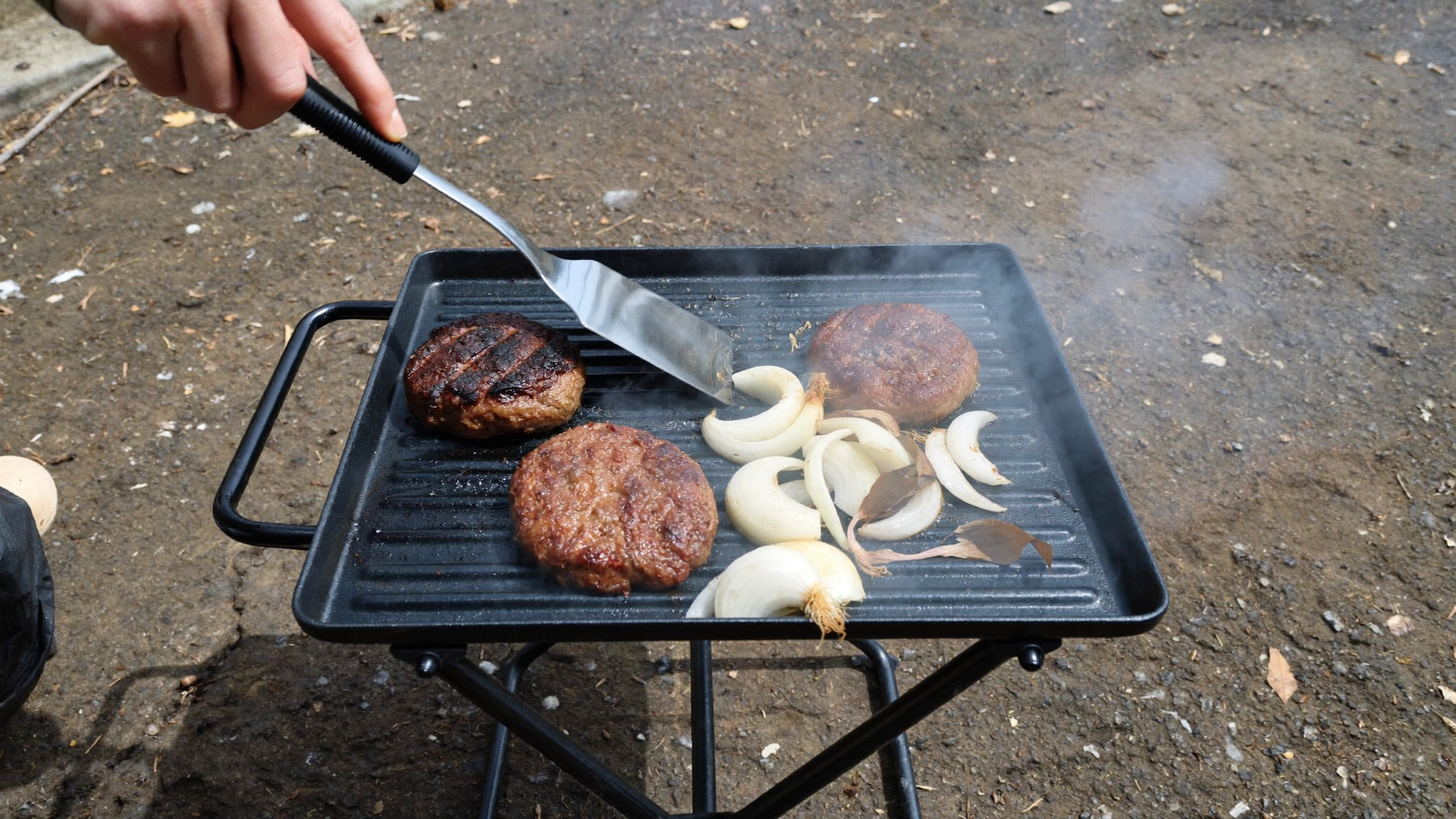
The phrase “blackstone grill portable” gets searched constantly, and the answer isn’t as simple as people expect. Blackstone makes a whole range of flat-top griddles, and “portable” means different things depending on which model you’re looking at, how you’re traveling, and what you actually plan to cook. This article cuts through the confusion and tells you what these griddles are really like to haul around, set up, and use away from home.
What “Portable” Means for a Flat-Top Griddle
Portability on a flat-top griddle is different from portability on a kettle grill or a camp stove. The cooking surface itself — solid steel, coated with seasoned layers of oil — adds weight and requires care in transport. You can’t just toss it in a bag. That changes the calculus entirely.
When people ask about a blackstone grill portable option, they’re usually thinking about three use cases:
- Tailgating in a parking lot, where your vehicle is right there and setup time matters
- Camping, where the griddle might leave the car and walk a short distance
- Small patios or apartments, where the griddle lives outside part of the time and gets moved around seasonally
Each of these scenarios rewards a different size. Getting that wrong is the most common mistake.
The Size Breakdown
The Smallest Option (17-Inch Class)
The most genuinely portable flat-top griddle in this family is the 17-inch tabletop version. It runs on a one-pound propane cylinder — the same kind you use for a camp stove — and sits on any flat surface: a folding table, a tailgate, a picnic bench.
This thing weighs around 20 pounds. That’s real portability. You can carry it with one hand, pack it in the back of a car without rearranging everything else, and set it up in under two minutes. The cooking surface is roughly 260 square inches, which is enough for two to four people if you’re efficient. Smash burgers, eggs, stir-fry, pancakes — it handles all of it with plenty of heat.
The tradeoff: it doesn’t have legs. You need a table. And if you’re camping somewhere without a picnic table, you’re improvising. Some people pair it with a folding camp table, which adds weight and setup time but keeps the system working.
One thing worth knowing — the smaller burner configuration means you don’t get heat zones the way you do on a larger griddle. Everything runs hot. That’s fine for most tasks but limits your ability to hold cooked food warm while finishing the rest of the batch.
The 22-Inch Class
Step up to a 22-inch griddle and you’re in middle-ground territory. This size often comes with a stand and folding legs, which makes it freestanding but not truly packable. It weighs somewhere in the 40-50 pound range depending on the specific version.
For tailgating, this is actually the sweet spot for many people. The legs fold, it fits in an SUV or truck bed, and the larger cooking surface (around 330 square inches) means you can run a proper cooking operation. Two burners give you some heat management flexibility.
For backpacking or any hiking-in campsite — forget it. This isn’t that tool.
The Full-Size Griddles
The 28-inch and 36-inch griddles are not portable in any meaningful sense. They’re designed for backyards. Some people technically move them — loading a 36-inch into a trailer for a large event, for example — but that’s transport, not portability. Don’t buy one of these expecting to move it regularly.
Real-World Portability Details People Skip Over
Seasoning and Storage During Travel
A well-seasoned flat-top griddle has a dark, slightly oily surface. That surface needs protection during travel or it will rust and pick up debris. The small tabletop versions sometimes come with a fitted hard cover. If yours doesn’t, a layer of oil after cooking plus a tight-fitting cover or wrapped towel is the minimum.
Never store a flat-top face-down on carpet or fabric without protection. The oil transfers and the surface picks up lint and grit.
Propane Logistics
The 17-inch tabletop runs on one-pound bottles, which are available at most gas stations and camping supply stores. Convenient, but expensive per BTU compared to a 20-pound tank. For a weekend camping trip, budget two to three small cylinders depending on how much you’re cooking.
Some people use an adapter hose to run the smaller griddle off a larger propane tank. This works — you’ll find universal adapter hoses for this — just make sure the hose is rated for propane and buy from a reputable source.
Heat Output in Wind
Outdoor cooking in wind is a problem for every propane appliance, but flat-tops feel it differently than covered grills. With a blackstone grill portable setup at a beach or open tailgate lot, wind can drop your surface temperature noticeably. Position the griddle with the burner controls facing away from the prevailing wind, and if things are really bad, create a windbreak with your vehicle, a cooler, or a small folding windscreen.
Leveling
Flat-tops need to be reasonably level or grease and liquids run to one side. On a picnic table or flat pavement this is a non-issue. On uneven ground it matters. The folding-leg versions have no adjustment — carry a few thin shims (even folded cardboard) if you’re camping somewhere genuinely rough.
How the Flat-Top Format Compares to a Portable Grill
If you’ve always used a portable charcoal or gas grill, a blackstone grill portable setup is a genuinely different experience. No grates means no grill marks, no flare-ups, and much easier cooking for foods that fall through grates — eggs, diced vegetables, shrimp, anything small.
The cleanup is different too. You don’t knock out ash or deal with grease drips hitting coals. After cooking, you scrape the surface while it’s hot, add a small amount of water to steam off residue, scrape again, and oil it down. Takes about five minutes. First time feels weird. By the third or fourth cook it’s automatic.
The one thing a flat-top genuinely can’t do is impart smoke flavor. If smoke is central to what you’re cooking, a flat-top isn’t the right tool — portable or otherwise.
Setup and Breakdown Time (Honest Numbers)
For the small tabletop version:
– Setup: Attach propane, unfold if applicable, set on table — 2 minutes
– Preheat: 3 to 5 minutes to full temperature
– Breakdown: Cool completely (20+ minutes), scrape and oil, cover — 25 minutes total
The cooling time is the thing people underestimate. You cannot pack a hot griddle. Plan accordingly when you’re breaking camp or leaving a tailgate.
Who This Format Actually Works Best For
The portable flat-top griddle format earns its following because it solves specific problems really well. Cooking for four to eight people at a campsite breakfast — eggs, bacon, pancakes, hash browns all at once — is dramatically easier on a flat-top than on a camp stove. Tailgate burgers for a group come out faster and more consistent. Smash burgers specifically require a flat, heavy surface; you simply cannot do them on a grate.
If you primarily grill steaks, fish with skin, or anything that benefits from high direct heat and grill marks, the flat-top is a supplement to that, not a replacement. But for crowd cooking where efficiency and versatility matter, it’s hard to beat.
One Practical Tip Before Your First Trip
Cook on the griddle at home at least twice before you take it somewhere. The seasoning improves significantly after the first few cooks, and more importantly, you’ll work out your logistics — where you store the cover, how many spatulas you want, how long your propane lasts — before those things become problems at a campsite or a parking lot.
Leave a Reply