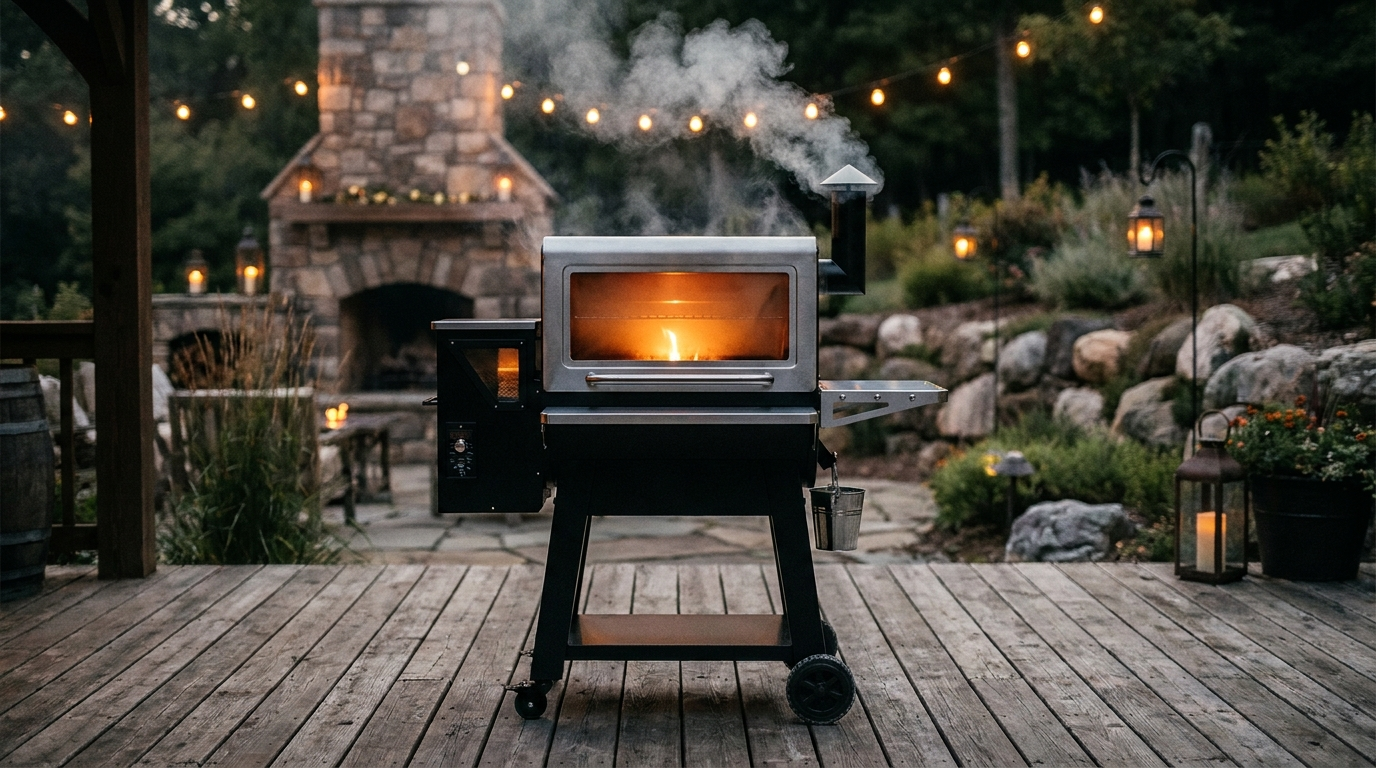
Pellet Smoker Buying Guide: What Actually Matters
Disclosure: This site may earn a commission from purchases made through links in this article.
A pellet smoker is one of the easiest ways to get into low-and-slow cooking — but easy doesn’t mean simple to buy. The category has exploded in the last decade, and the options range from genuinely great to deeply frustrating. Before you spend a few hundred (or a few thousand) dollars, there are things you need to understand about how these cookers actually work, where manufacturers cut corners, and what separates a machine you’ll love from one that collects dust.
How a Pellet Smoker Actually Works
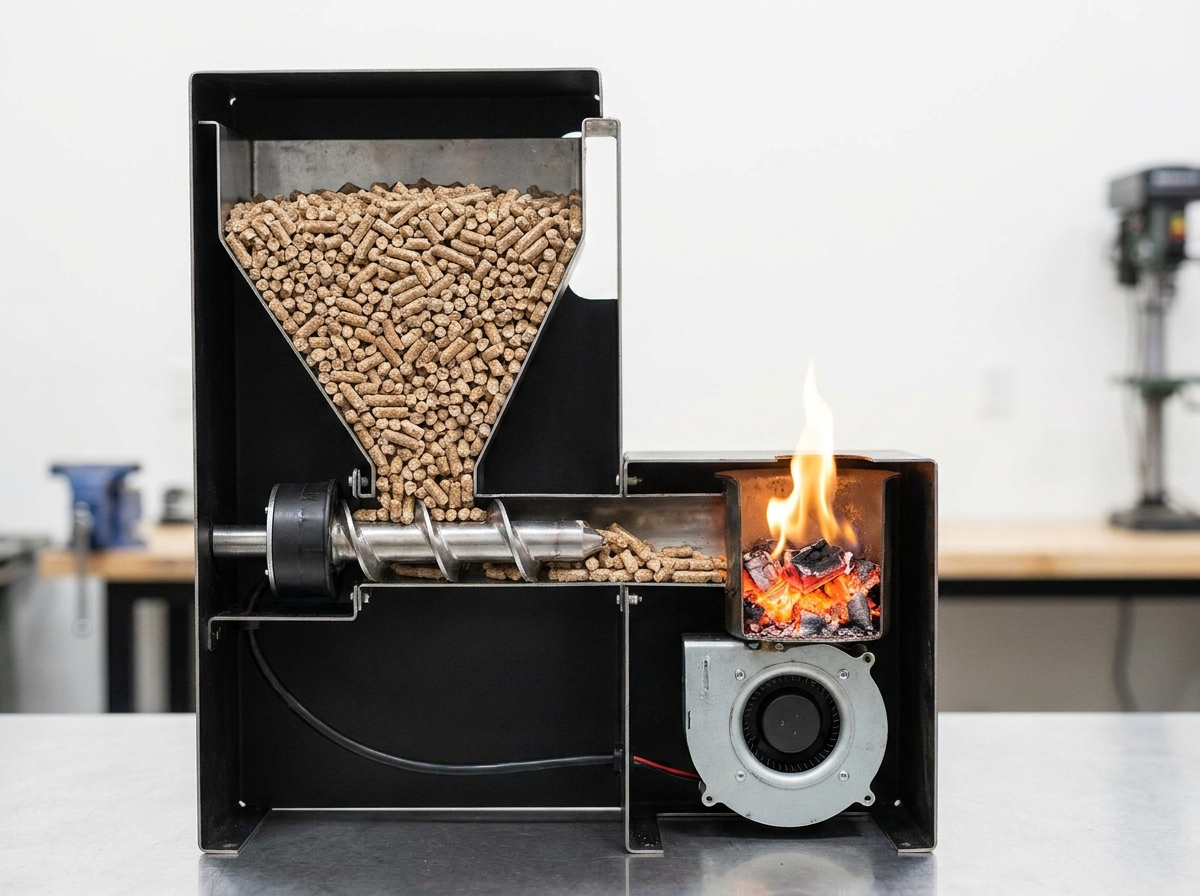
Wood pellets — compressed sawdust, usually without binders — sit in a hopper on the side of the grill. An auger motor feeds them at a controlled rate into a burn pot. An igniter rod lights the pellets, a fan feeds the fire oxygen, and a temperature probe in the cooking chamber tells the controller to speed up or slow down the auger. That feedback loop is what gives you hands-off temperature control.
Sounds foolproof. And mostly it is. But the weak points are predictable once you know the system:
- The controller and temperature probe determine how accurately the grill holds temperature. A cheap controller swings 25–30°F above and below your set point. Better ones stay within 5–10°F.
- The fan and burn pot design affect how cleanly the pellets combust. Poor combustion = bitter creosote flavor, not smoke flavor.
- The auger and hopper can jam with sawdust fines, especially if you buy low-quality pellets or store them somewhere humid.
None of this disqualifies pellet cookers. It just means buying the right one matters more than the marketing suggests.
Smoke Flavor: The Honest Truth
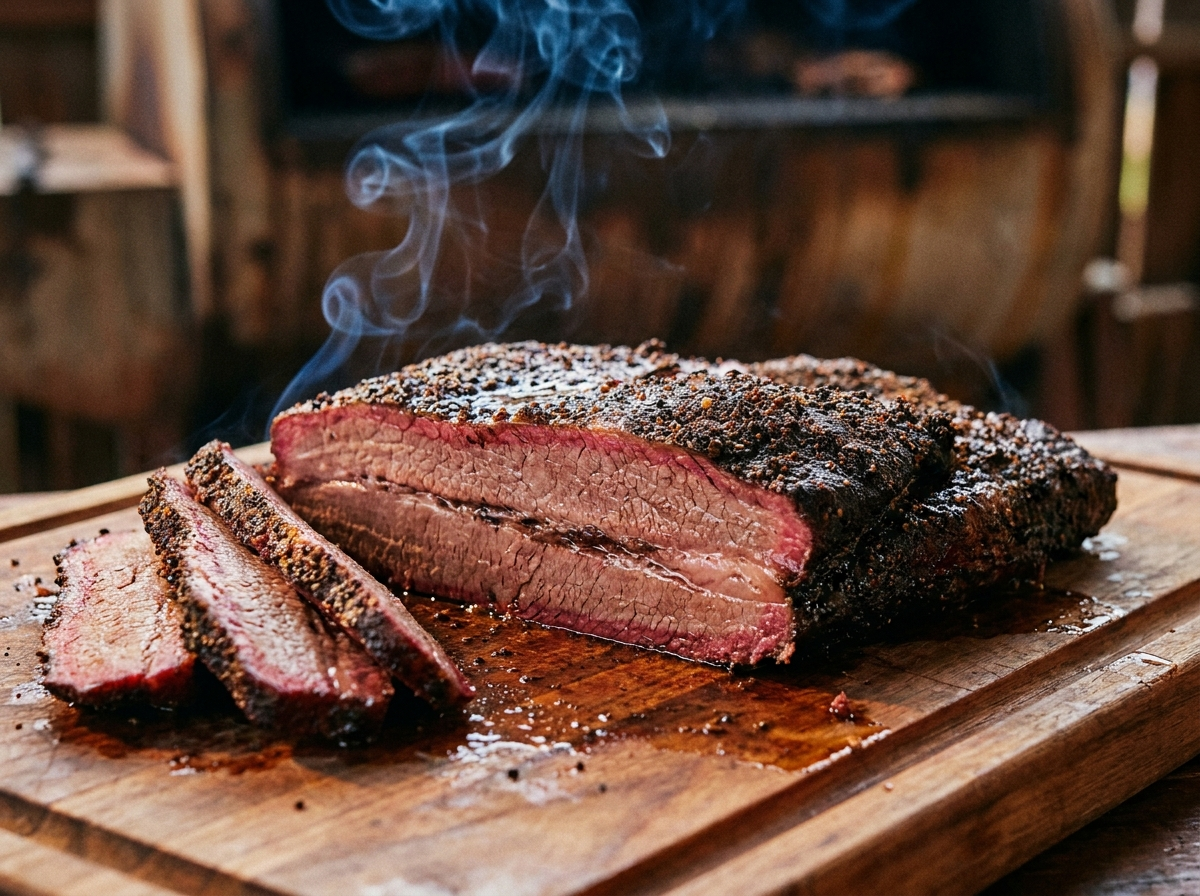
This is the conversation nobody wants to have. A pellet smoker produces less smoke flavor than an offset smoker, full stop. The efficient, controlled combustion that makes temperature management easy also burns cleaner — which means less smoke output.
That’s not a dealbreaker. Ribs, pork shoulder, and chicken cooked on a pellet grill taste great. But if you’ve eaten brisket from a well-managed stick burner and that deeply smoky bark is what you’re chasing, a pellet cooker won’t replicate it exactly.
Some manufacturers address this with dedicated smoke modes or “super smoke” settings that run the auger in a way that creates more smoldering and less efficient burn. These work, to a degree. You’ll get noticeably more smoke flavor at lower temps (180–225°F) than at 275°F+. Starting your cook cold, straight from the fridge, also helps — the meat absorbs more smoke before the surface dries out.
Pellet choice matters too. Pure hardwood pellets from reputable brands give you cleaner flavor and more consistent burns than blended or flavored pellets with fillers.
Temperature Range: Don’t Ignore the High End
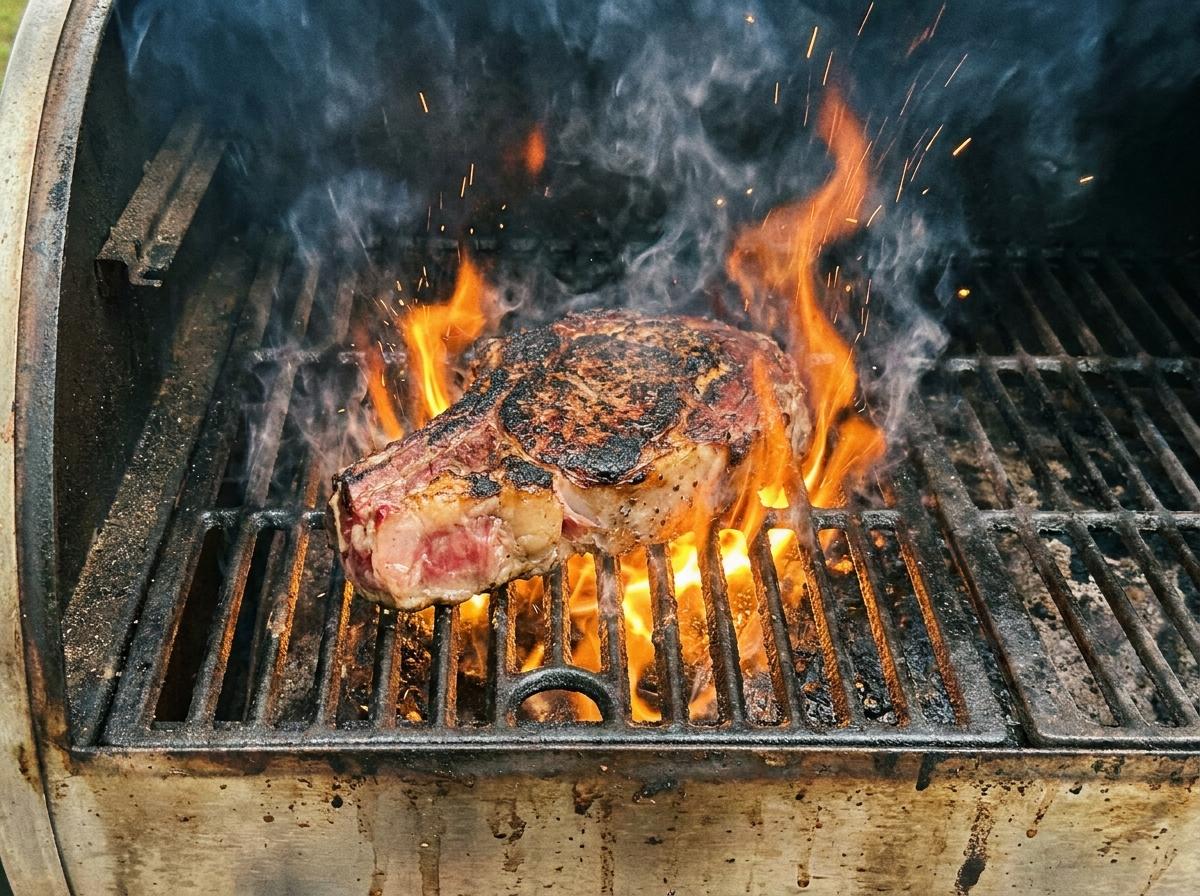
Most pellet grills top out somewhere between 450°F and 500°F. A handful go higher. This matters if you ever want to sear a steak properly.
At 450°F, you can get a decent crust on a steak if you give it time — but it’s not the same as a ripping-hot cast iron or charcoal grill. Some models include a direct-flame sear zone where a sliding plate over the burn pot lets you hit higher temperatures right above the fire. It works. The sear zone is small, and it requires a bit of timing, but you can get legitimate crust.
If searing matters to you, look for models with that direct-access feature, or plan to use a cast iron skillet in a very hot oven for finishing. Buying a pellet smoker expecting it to replace your charcoal grill for steaks will disappoint you.
Build Quality: Where Budget Models Fall Short
The price range is wide, and build quality differences are real. Here’s what to look for:
Lid and Body Construction
Thicker steel holds heat better and warps less over time. Cheap units with thin-gauge steel can develop gaps at the lid after a season or two, making temperature control worse. Lift the lid at a store if you can — it should feel substantial, not flimsy.
Hopper Capacity
A bigger hopper means fewer refills during a long cook. On an overnight brisket that runs 12–14 hours, running out of pellets partway through isn’t just inconvenient — it can ruin the cook. Many mid-range models hold enough for an overnight cook at 225°F; budget models sometimes don’t. Check the stated capacity and do the math: a 225°F cook burns roughly 1–2 lbs of pellets per hour depending on ambient temperature.
Grease Management
Every pellet grill has a grease drainage system. Some funnel drippings into an easy-to-clean bucket. Others route grease toward the burn pot, which is a fire hazard if you don’t clean regularly. Ask specifically how the grease drains before you buy.
Wifi and App Control
Higher-end models offer app connectivity that lets you monitor and adjust temperature from your phone. Genuinely useful on a long cook. The reliability of these systems varies; some are rock-solid, others drop connection constantly. Read recent owner reviews specifically about the app before paying the premium for it.
Sizing It Right
Cooking surface is measured in square inches, and manufacturers inflate this number by including upper warming racks. Those racks are useful for holding rolls or keeping things warm, but they’re not equivalent to main-grate space.
For a family of four cooking occasionally, a main grate in the 400–500 square inch range is generally enough. If you cook for crowds, do whole hogs, or want to run multiple large cuts simultaneously, go bigger — but understand that bigger also means more pellet consumption and longer warm-up time.
Narrow, deep cooking chambers have hot and cold spots. Wider, shallower designs tend to cook more evenly. If you’re cooking multiple racks of ribs or a full packer brisket, double-check that the interior dimensions actually accommodate what you want to cook, not just the total square inch number.
Maintenance Reality
Pellet smokers need more regular cleaning than a gas grill. Ash accumulates in the burn pot and needs to be vacuumed out — some grills have a cleanout system, others require manual scooping. Grease builds up on the heat deflector and drip pan. Ignoring this long enough leads to grease fires.
Plan for a light cleanout every few cooks and a full deep clean every 10–15 hours of use. It takes maybe 20–30 minutes. A small shop vacuum designed for ash makes the burn pot job much faster; it’s worth buying one if you don’t have it already.
Storage matters in wet climates. Pellets left in a hopper exposed to humidity will absorb moisture, swell, and jam the auger. If you live somewhere rainy, either empty the hopper after each cook or buy a grill with a tight-sealing hopper lid. A weatherproof cover for the whole unit is worth the money regardless of where you live.
What to Actually Spend
The budget end of the market has improved. Entry-level pellet grills from established brands can turn out excellent food, and for someone who cooks a couple of times a month, the compromises — thinner steel, basic controller, smaller hopper — are manageable.
The jump to mid-range buys you meaningfully better temperature control, more cooking space, and better build quality. That’s where most serious backyard cooks land and don’t regret it.
Premium models add wifi, better searing capability, larger hoppers, and heavier construction. If you cook frequently, do long overnight cooks, or just want something that’ll last 10+ years without issue, the premium price is defensible.
Skip models from brands with no customer service infrastructure. When an auger motor or igniter rod fails — and eventually it will — you need replacement parts to actually exist and ship promptly. Stick to brands that have been around long enough to have that supply chain in place.
One last thing: buy the right pellets. Your cooker is only as good as its fuel. Cheap pellets with fillers burn inconsistently, produce more ash, and can introduce off-flavors. It’s a small ongoing cost that has a disproportionate impact on results.
Leave a Reply