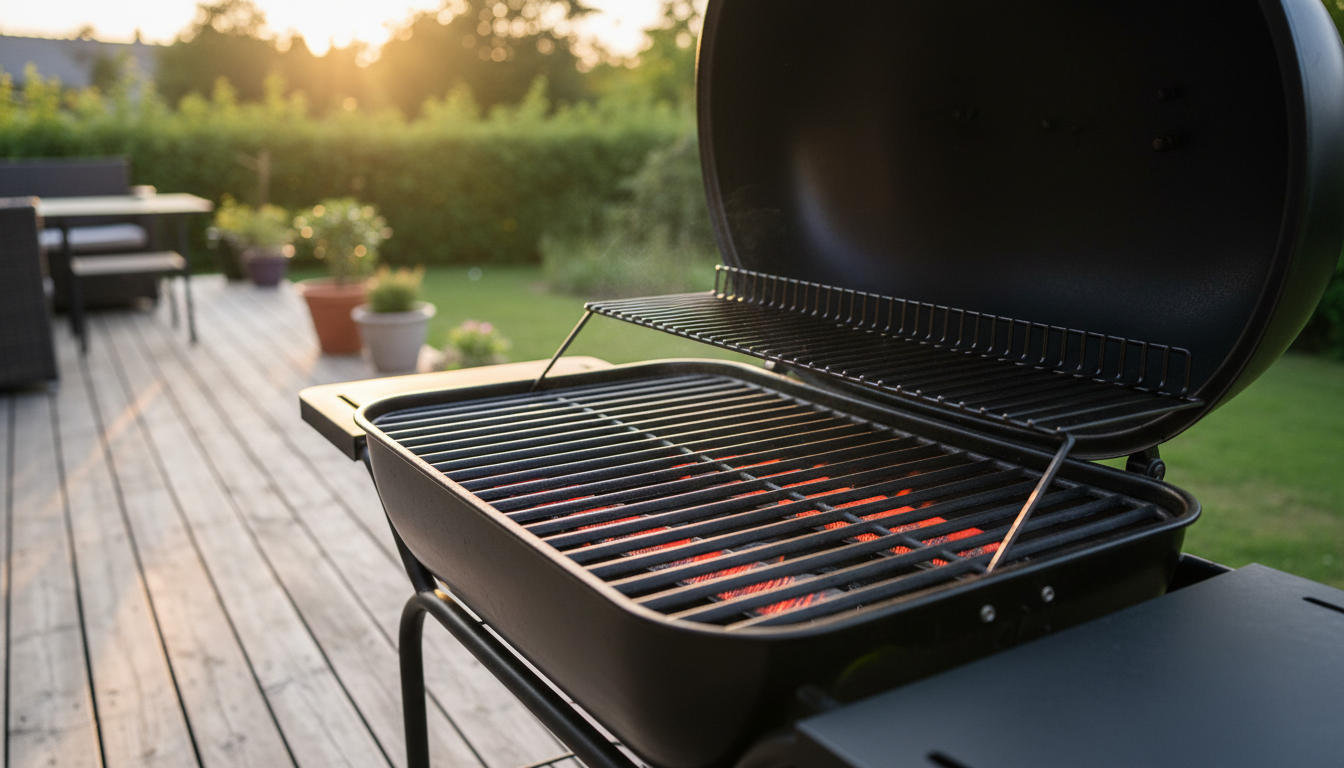
Char Broil BBQ Grill: What It Is and How It Actually Works
Disclosure: This site may earn a small commission from links on this page, at no extra cost to you.
If you’ve been poking around the grill aisle or shopping online and keep seeing the Char-Broil name, there’s a reason for that. The char broil bbq grill has been a fixture in American backyards since the 1940s, and the brand has expanded into nearly every corner of the outdoor cooking market — gas, charcoal, electric, and infrared. That range is both their strength and, honestly, a source of confusion for a lot of people trying to figure out what they’re actually getting.
This article breaks down what makes Char-Broil grills work the way they do, which technologies actually matter, and what to realistically expect from owning one.
What Char-Broil Actually Makes
Char-Broil isn’t one grill — it’s a full lineup. At the entry level, you’ve got basic two-burner propane grills aimed at apartment balconies and tailgating. Move up and you hit their mainstream three- and four-burner gas grills, which make up the bulk of what most people buy. Then there’s the infrared line, the electric grills, and more recently, pellet smokers.
The company is headquartered in Columbus, Georgia, and manufactures products at various price points to compete across the entire market. That means some models are built with longevity in mind, and others are built to hit a price point. Knowing which is which matters.
The Infrared Technology: What It Actually Does
This is the thing Char-Broil is probably best known for innovating at a mass-market price. Their TRU-Infrared cooking system uses a perforated emitter plate that sits between the burner flames and the cooking grate. Instead of hot air rising up and cooking your food, the emitter radiates heat directly at the surface of the meat.
The practical difference is real:
- More even heat distribution. The emitter smooths out hot and cold spots that plague conventional grills.
- Fewer flare-ups. Because drippings fall onto the emitter plate rather than directly onto a flame, you get less sudden fire.
- Moisture retention. Infrared cooking is faster and the radiant heat seems to sear the outside of meat more quickly, which many cooks find keeps juices inside better.
The tradeoff? The emitter plates need to be cleaned regularly. If you let grease accumulate on the plate and it burns carbon into the surface, heat distribution starts to suffer. It’s not difficult maintenance — a good brush while the grill is hot usually handles it — but it’s a step you can’t skip.
Not all Char-Broil models use TRU-Infrared. Their budget-tier gas grills use conventional open burners and H-shaped or oval burner configurations, similar to what you’d find on comparable grills from other brands.
Build Quality: Honest Assessment
Char-Broil grills are not heirloom pieces. At the lower end of their lineup, you’re looking at thinner-gauge steel, lighter lids, and grates that may rust if left uncovered and unseasoned. This is true of most grills in the same price range — it’s a reflection of what the market will bear, not a unique flaw.
That said, a few things separate their better models from the pack:
Stainless vs. Cast Iron Grates
Char-Broil offers both. Cast iron grates hold heat better and produce better sear marks, but they require more care — season them, dry them after cleaning, don’t let them sit wet. Their stainless grates are easier to maintain and still perform well for everyday grilling.
Lid and Cabinet Construction
The Performance and Commercial Series models step up to heavier-gauge lids and more robust cabinet construction. If you’re parking a grill on a deck year-round with minimal cover, this tier is worth the difference.
Burners
Most standard Char-Broil burners are stainless steel tubes. They hold up reasonably well, but like any gas grill, the first component that typically needs replacing after a few years is a burner. Char-Broil does sell replacement parts, which is worth factoring in — you can extend the life of a grill considerably if you’re willing to swap a burner or igniters when needed.
Gas vs. Charcoal vs. Infrared: Which Char-Broil Setup Makes Sense
Char-Broil’s core competency is gas grilling, and that’s where most of their engineering attention goes. Their charcoal grills exist but don’t bring anything particularly distinctive to the table — if charcoal is your priority, there are brands with deeper expertise there.
For electric grilling, Char-Broil’s Patio Bistro line is one of the more capable options available. Electric grills are limited by nature — they can’t match the heat output of gas — but if you’re on a balcony where open flame is prohibited, a char broil bbq grill in electric format is a legitimate option rather than a compromise.
The infrared models are where Char-Broil has a clear point of difference from competitors at similar prices. If you regularly struggle with flare-ups, cook a lot of chicken (which benefits enormously from even heat), or just want a more consistent result without babysitting the grill, an infrared Char-Broil is worth taking seriously.
Getting Good Results: Practical Tips
Owning a Char-Broil grill well means understanding a few things specific to how they run.
Preheat Properly
This matters more with infrared models. Give the emitter plate a full 10-15 minutes to heat evenly before putting food on. Rushing this step is the most common reason people complain infrared cooking produces uneven results.
Manage Your Zones
Even on a two-burner grill, set one side to high and one to medium or off. You want a hot zone for searing and a zone for finishing thicker cuts without burning the outside. This is basic, but it transforms what a grill can do.
Clean the Grates and Emitter While Hot
Brush grates immediately after cooking, while they’re still hot and residue scrapes off easily. For infrared models, flip the emitter plate after cooking and let it burn clean for a few minutes — the manufacturer specifically recommends this with many models.
Use a Thermometer
Every grill’s built-in lid thermometer is essentially decorative. It reads the air temperature near the top of the dome, not at grate level where your food actually sits. A grate-level probe thermometer will immediately improve your accuracy.
Cover It
Char-Broil sells form-fit covers for their grills, and it’s worth getting one. The steel gauge on most models is fine under a cover; left exposed to rain and humidity, the cabinet bottom and burner tube connections will rust faster than they should.
Common Complaints (And Whether They’re Valid)
“The igniter stopped working.” This is the single most common issue across all gas grills, not just Char-Broil. Igniters are exposed to heat, grease, and weather. They fail. Keep a long-reach lighter for backup, and if the igniter stops producing a spark, replacing the module is usually a cheap fix.
“It rusts fast.” Valid for models that are left uncovered and whose grates aren’t maintained. Less of an issue with proper care. Their more expensive stainless models hold up better in wet climates.
“Uneven heat.” Almost always a sign that the grill wasn’t preheated long enough, or for infrared models, that the emitter plate has carbon buildup and needs a thorough cleaning.
“The grates stick.” Cast iron grates need to be seasoned with oil periodically. Stainless grates should be oiled before each use when cooking proteins. Neither one is set-and-forget.
The Char-Broil Position in the Market
A char broil bbq grill sits firmly in the value-to-mid-range category. It’s not trying to compete with premium American-made grills on raw build quality or materials. What it offers is accessible pricing, wide parts availability, genuine infrared technology at a mass-market price point, and a product range broad enough to cover nearly any backyard cooking situation.
For someone grilling three or four times a week through the summer, keeping it covered and cleaning it after use, a mid-tier Char-Broil will give reliable service for several years. For someone who wants a grill that’s a long-term investment with minimal maintenance, there are more durable options at a higher price.
Knowing what you want from the grill matters more than brand loyalty. But within its intended market, a char broil bbq grill delivers on what it promises — and for a lot of backyard cooks, that’s exactly enough.
If you already own one and want to get more out of it, start with the preheat habits and the zone management. Those two things alone will change what you’re pulling off the grill.
Leave a Reply