An indoor smoker sounds like a contradiction — smoke and enclosed spaces don’t exactly get along. But the category is real, the results can be genuinely impressive, and understanding the differences between indoor-capable setups versus outdoor-only gear will save you from a smoke alarm going off at 2 a.m. (ask me how I know).
Here’s the honest picture: some indoor smoking methods produce almost no visible smoke. Others fill your kitchen in minutes. Which you can actually use indoors depends on the method, your ventilation, and how much smoke flavor you’re actually chasing.
What Makes Something an Indoor Smoker
The core challenge with smoking food indoors is combustion. Traditional outdoor smokers burn wood chunks or chips continuously — that’s a lot of smoke, carbon monoxide, and heat output that no kitchen exhaust fan is built to handle. True indoor smoking solutions solve this one of two ways: they contain and recirculate smoke internally, or they generate smoke in extremely small, controlled bursts.
A third category exists too — countertop electric smokers marketed as “indoor-safe” — and it’s worth being blunt about those: most produce significant smoke and genuinely need to be used in a garage with the door cracked, or outdoors. Don’t let the plug convince you it’s a kitchen appliance.
The Main Types of Indoor Smoking Setups
Stovetop Smokers
A stovetop smoker is a heavy-gauge metal pan with a tight-fitting lid and a drip tray that holds a small amount of wood dust (not chips — dust). You put it on a burner over low-to-medium heat, add food to a rack inside, slide the lid closed, and the wood dust smolders in an almost-sealed environment. Smoke stays mostly inside the pan and infuses the food.
This method works. I’ve done chicken thighs, salmon, and even hard-boiled eggs in one of these, and you get real smoke flavor — not grill marks and wishful thinking. The catch is “almost-sealed.” Some smoke escapes when you lift the lid, and throughout the cook there’s a faint but real smoke smell in the kitchen. If you have a decent range hood venting to the outside (not a recirculating filter hood), this is manageable. If your exhaust fan just moves air in a circle inside the cabinet, crack a window.
Cook times are shorter than traditional smoking — think 15 to 30 minutes for most proteins — because you’re also applying direct heat from the burner. The result is closer to hot-smoked than low-and-slow barbecue.
Handheld Smoking Guns
A smoking gun (sometimes called a cold smoker or smoke infuser) is a small handheld device with a burn chamber and a fan. You pack fine wood chips or sawdust into the chamber, light them, and the fan blows the resulting smoke through a flexible hose into a bowl, cloche, or container holding your food.
The smoke flavor this produces is surprisingly real, especially for things like smoked salt, cocktails, cheese, and finishing proteins that are already cooked. The device itself produces almost no heat, which is the point — it’s genuinely cold smoking.
Smoke output is minimal when used correctly, but you still need a plan for it. Covering the bowl or container with plastic wrap to trap the smoke, then lifting it at the table, is the classic presentation approach. If you’re doing a larger batch, expect some smoke to drift. This is the most apartment-friendly indoor smoking option by a significant margin.
Countertop Convection Smokers with Sealed Chambers
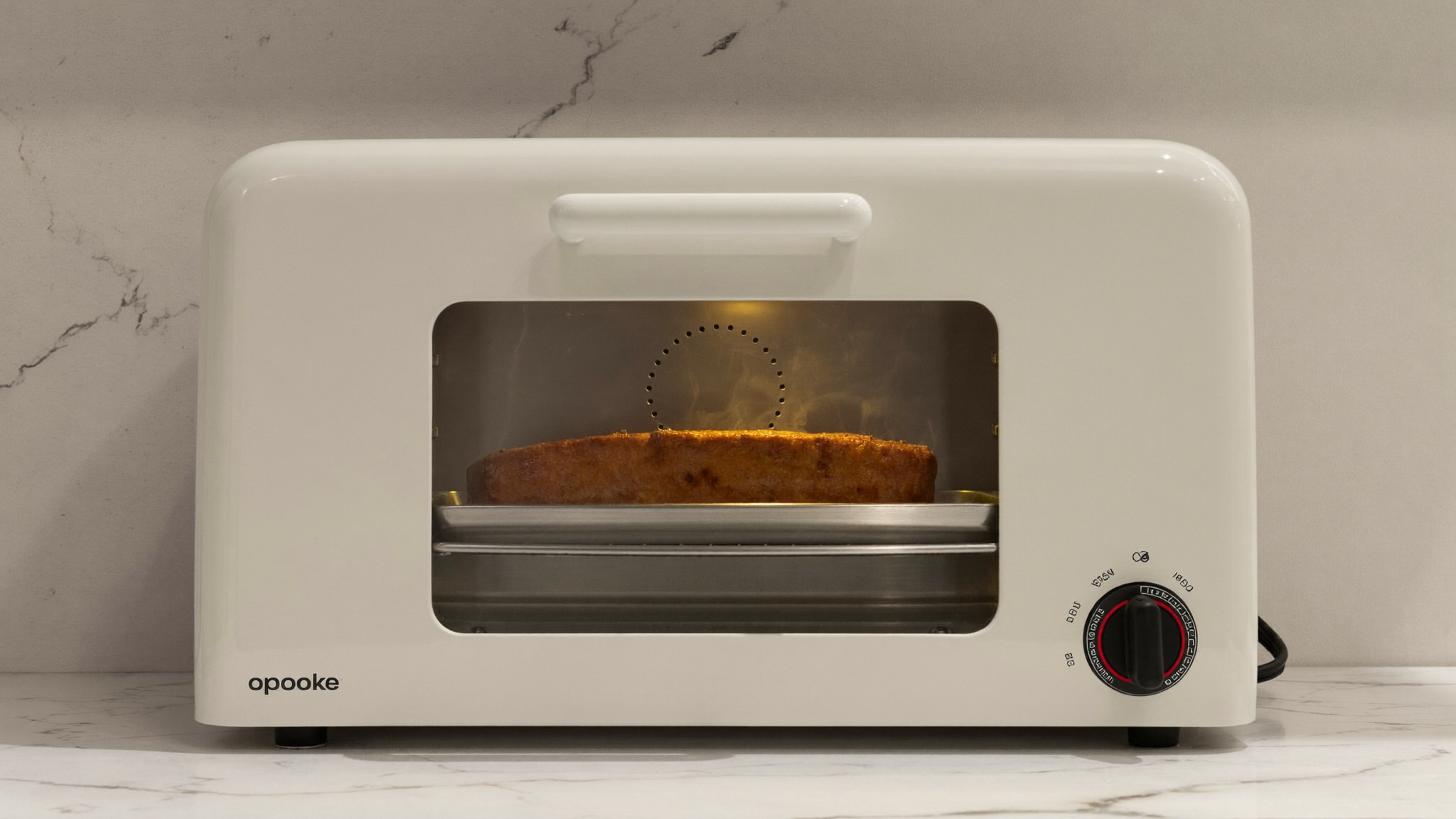
A newer category of appliance uses sealed cooking chambers with internal smoke recirculation. The heating element and smoke generation happen inside a well-sealed unit, and some models include internal filters or catalytic converters to burn off excess smoke before any exhaust exits the machine.
These units can produce genuinely impressive results — real bark on brisket, properly smoked ribs — with minimal smoke escaping into the kitchen. The sealed-chamber design is what separates them from standard countertop electric smokers. Actual smoke leakage varies by unit and by how well you maintain door seals. I’d still recommend running one near an open window the first few times to understand what your specific unit does.
One honest limitation: capacity. These are small. A full packer brisket isn’t happening. Think of it as a serious tool for smaller cuts, fish, poultry, and vegetables.
Smoke Flavor: What to Actually Expect
This is where honesty matters more than marketing copy. Stovetop smoking and sealed countertop units produce real, recognizable smoke flavor. A smoking gun produces a lighter, more fragrant smoke hit — excellent for finishing and presentation, less so for deep bark development.
None of these methods replicate a 12-hour offset smoker cook. That’s not a failure; it’s physics. Low-and-slow outdoor smoking involves hours of sustained smoke penetration into large cuts. Indoor methods excel at quick smoke infusion, cold smoking delicate foods, and adding a genuine smoke note to dishes that would otherwise have none.
If you go in expecting competition BBQ from an indoor smoker, you’ll be disappointed. If you want properly smoked salmon in 20 minutes, or a genuinely smoky brisket flat in a sealed countertop unit, the results can stand on their own.
Ventilation: The Non-Negotiable Variable
Every indoor smoking method produces some smoke. The variables are how much and how fast it dissipates.
The gold standard is a range hood that vents directly outside through ductwork — not a recirculating hood with charcoal filters. If you have that, stovetop smoking is comfortable and smoking guns are trivially easy. If you’re working with a recirculating hood or none at all, you need to compensate:
- Open a window directly across from the cooking area to create airflow cross-draft
- Use a box fan in a window set to exhaust mode
- Run your cooking session when you can leave doors open
Sensitive smoke alarms can be an issue. Temporarily covering a nearby alarm during a stovetop smoke session (and uncovering it immediately after) is a practical reality many home cooks deal with. Don’t remove the battery permanently — that’s a safety issue, not a BBQ tip.
Wood Selection for Indoor Smoking
Indoor smoking methods use less wood than any outdoor setup, so flavor intensity is more pronounced per gram of wood. Mild woods are the right call for most applications:
- Alder is light and slightly sweet — excellent for fish and vegetables
- Apple and cherry give a fruity note without overpowering; works well with pork and poultry
- Pecan is a slightly more robust choice, good for beef
- Hickory and mesquite are strong. A small amount goes a long way; easy to overdo indoors
For stovetop smokers, buy fine wood dust rather than chips — chips don’t smolder properly in a shallow pan. For smoking guns, most commercial sawdust blends designed for the device work well.
What Indoor Smoking Does Best
Rather than trying to replicate every outdoor application, lean into what indoor methods genuinely excel at:
Smoked fish and shellfish — salmon, trout, and shrimp respond beautifully to hot stovetop smoking. The cook time is short, the results are restaurant-quality.
Cold-smoked dairy and salt — a smoking gun is perfect here. Smoked butter, smoked cream cheese, smoked finishing salt. These keep in the fridge and add smoke flavor to anything you put them on.
Smoked cocktails — bartender-style presentation with a smoking gun, done tableside. Genuinely impressive.
Weeknight chicken and vegetables — a sealed countertop unit for a smoke-flavored weeknight dinner without firing up the outdoor smoker.
Cheese — cold-smoking hard cheeses with a smoking gun or a cold-smoke generator resting in a cooler is a technique worth mastering. The result keeps for weeks and is far better than anything commercially smoked.
A Realistic Starting Point
If you’re new to indoor smoking, a stovetop smoker is the most practical entry point — it’s inexpensive, requires no electricity, and produces reliable results with a short learning curve. Get comfortable with one wood type, one protein, and figure out your kitchen’s ventilation reality before expanding.
Once you understand what your space can handle, a smoking gun opens up cold-smoking possibilities that the stovetop pan simply can’t do. They’re complementary tools, not competitors.
The sealed countertop appliance category is worth watching — the engineering is improving, capacity is the main constraint, and for small households or apartment cooking, the tradeoff is increasingly reasonable. Just read the fine print on smoke containment claims before assuming it’s truly odorless.
Leave a Reply