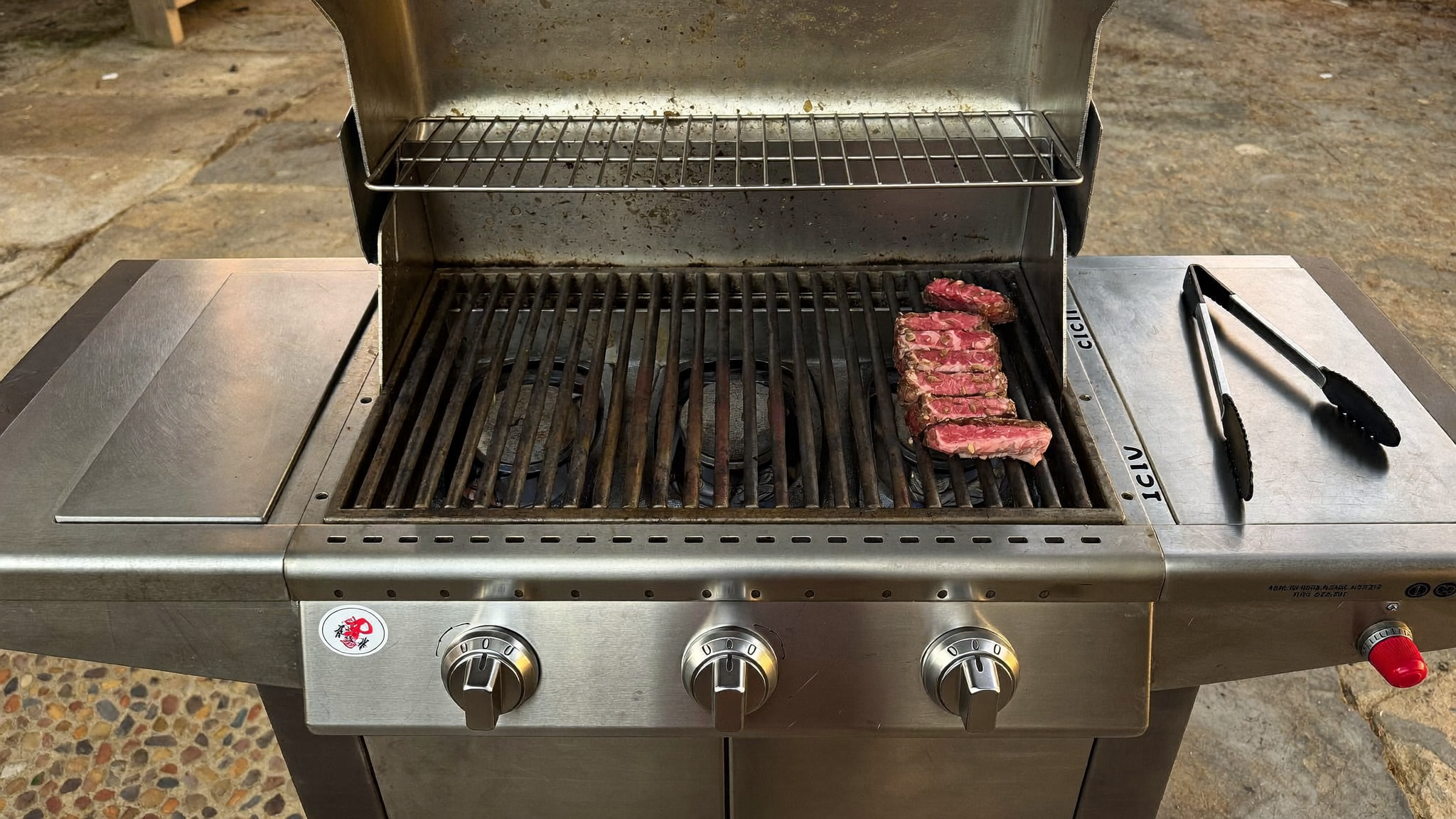
Monument Gas Grill: What You Actually Get
Disclosure: This page may contain affiliate links, meaning we earn a small commission if you purchase through our links, at no extra cost to you.
The monument gas grill doesn’t get as much attention as the big heritage brands, but it has quietly built a real following among backyard cooks who want solid BTUs, decent construction, and side burners without paying premium prices. This isn’t a grill for competition pitmasters. It’s built for the person who grills two or three nights a week, hosts the occasional cookout, and wants something that actually lights on the first try.
Here’s what you genuinely need to know about how these grills work, where they hold up, and where they fall short.
How Monument Grills Are Built
The Grill Body and Frame
Most models in the lineup use stainless steel or porcelain-coated steel construction for the cooking box, with painted steel on the cart frame. The stainless panels are typically lower-gauge than what you’d find on a high-end grill — functional, not show-quality. That means surface rust can appear at cut edges or weld points over time, especially in humid climates, if you’re not wiping the grill down after use.
The cart itself tends to feel stable. Legs are usually reinforced with cross bracing, and casters lock firmly on most models. For a grill in this price class, the physical footprint is generous — you get real counter space on both side shelves, which matters more than people realize when you’re managing tongs, a meat thermometer, and a beer at the same time.
Burners and Heat Output
Monument gas grills typically run stainless steel tube burners, which is the right choice for longevity over cast iron ports in a grill that might see occasional rather than daily use. The burners produce solid heat output — enough to sear properly and recover quickly after you open the lid.
The H-shaped or straight-tube configurations they use distribute heat reasonably evenly across the cooking grate. You’ll still notice some variation across the grates, as you do with any multi-burner setup, but it’s manageable. Learning your grill’s hot spots — usually directly over the front burner on many configurations — takes one or two cooks.
Cooking Grates
Portcelain-coated cast iron grates appear on most of their better models. These hold heat well and create good sear marks, but the coating is only as durable as your maintenance habits. Don’t use wire brushes on them. A brass bristle brush or a grill stone will extend grate life significantly.
Practical Performance: What Cooks Actually Encounter
Ignition
The electronic ignition on these grills is one of their stronger practical features. Battery-powered push-button ignition lights reliably, even after the grill has sat unused for a couple of weeks. The igniter electrode positioning is solid — it sits close enough to the burner port that you rarely get a failed start.
If the ignition ever does fail (moisture is the usual culprit), every burner can be manually lit through the access holes in the side of the firebox. This matters more than most people acknowledge — a grill that only starts electronically leaves you stuck.
Temperature Control and Lid Thermometer
The lid-mounted thermometer that comes standard on these grills reads the dome temperature, not the grate temperature. This is a universal caveat with built-in thermometers, not a Monument-specific flaw, but it’s worth understanding. Dome temps run 25–50°F hotter than grate level depending on how the heat is rising and where your food sits.
For grilling steaks or burgers directly, this doesn’t matter much — you’re cooking by sight and touch. For indirect cooking (a spatchcocked chicken, a pork loin), clip a probe thermometer to your grate and ignore the dome gauge.
Burner valve control is smooth and responsive. Low settings produce a genuine simmer, useful for holding sauces on the side burner.
The Side Burner
Several Monument gas grill models include a side burner, and it’s actually useful. The BTU output on the side burner is typically high enough to boil water quickly or run a cast iron skillet hot. A hinged cover lets you fold it away when not in use, protecting the burner ports from debris. Side burners on budget grills often feel like an afterthought; this one earns its space.
Assembly and Setup
Let’s be direct: assembly takes time. Budget two to three hours and work with a partner for the cart-to-firebox connection step. The instruction manual has improved in recent versions — diagrams are clearer than they were on older models — but hardware organization is still something you’ll want to manage yourself. Lay every bolt, nut, and cotter pin out by type before you start.
The most common assembly issue people encounter is aligning the lid hinges correctly. If the lid doesn’t close flush after assembly, the hinges need adjustment before you move on. Fixing it later means partially disassembling work you’ve already done.
Hose and regulator connections are standard propane fittings. Perform a soap-water leak test on every connection before the first light. Every time. Not just the first.
Maintenance: What Keeps These Grills Running Well
Longevity on a grill at this price point is directly tied to how consistently you maintain it. A few habits make a significant difference:
- Burn off after every cook. Crank all burners to high for 10 minutes after you’re done cooking. This carbonizes grease and food residue, making the next brush-down easy.
- Season the grates. After cleaning, wipe cast iron grates lightly with cooking oil before they fully cool. This prevents oxidation and keeps the coating intact longer.
- Cover it. A fitted grill cover keeps moisture, pollen, and debris off the lid thermometer, side shelves, and control panel. Grills left uncovered in outdoor conditions degrade noticeably faster.
- Check the grease tray. The drip tray collects a surprising amount of rendered fat during longer cooks. An overflowing tray is a grease fire waiting to happen. Empty it every two to three uses depending on what you’re cooking.
Where Monument Grills Fit (And Where They Don’t)
A monument gas grill makes sense for someone who wants genuine cooking capacity — multiple burners, side cooking zones, real counter space — without the price of premium stainless construction. The cooking performance is solid for the range of things most backyard cooks actually make: burgers, chicken thighs, vegetables, occasional low-and-slow indirect cooks on the weekends.
They’re not the right choice if you’re doing high-volume entertaining every week, live somewhere with brutal coastal salt air, or want a grill that will look showroom-new after five seasons outdoors. For that use case, the heavier-gauge construction of a commercial-grade gas grill is worth the price difference.
But for most people? The cooking experience on a well-maintained monument gas grill is genuinely good. Hot, even enough heat. Reliable ignition. Burners that hold their output over multiple seasons with basic care. That’s the actual story, and it’s a reasonable one.
If you’ve been putting off buying because you weren’t sure whether the brand is credible — it is. It’s a real grill, not a disposable season novelty. Treat it right and it will give you years of cookouts worth showing up for.
Leave a Reply